Three guests, three very different jobs, one thing in common: they're all in their twenties and already taking on a level of responsibility that usually comes later in a career.
In this episode of The Recursive Roundtable, we talk with Viktoriya Markileva (Head of Space Services at EnduroSat), Georgi Nichev (Marketing Specialist at Helios Marine, Co-Founder of Scylla), and Maria Nikolova (Strategic Partnerships Development Manager at BESCO) about what it's actually like to be trusted with real responsibility this early — what makes someone trust you with it, how they handle it, and whether a career needs to follow a clear path at all.
In this episode, we explore:
🟣 How Gen Zs think about failure, 🟣 what hustle culture looks like from the inside, 🟣 what progress actually means to them, 🟣 and whether they'd be willing to wait years for the next step in their career.
💡 This conversation is essential for entrepreneurs looking to hire young talent, and for any Gen Z professionals wondering if they are ready to take the leap into a leadership role.
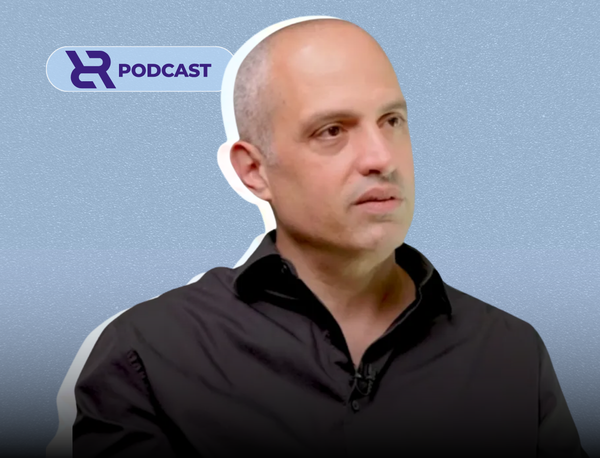
In this episode of The Recursive Podcast, we sit down with Rakuten Viber CEO Ofir Eyal to discuss how the company is evolving beyond messaging through its partnership with OpenAI, the rise of AI-powered communication, and the long-term vision behind building a "super app."
The conversation explores how the company approaches privacy and responsible AI adoption, and why Europe has yet to embrace the super app model seen across Asia.
Ofir also reflects on his own journey from product manager to CEO, the leadership lessons he learned while navigating one of Viber's most challenging periods after the outbreak of the war in Ukraine.
In this episode:
☑️ Why Viber partnered with OpenAI ☑️ The future of AI inside messaging apps ☑️ Can Europe build a successful super app? ☑️ Privacy, security, and responsible AI adoption ☑️ How Viber makes money beyond messaging ☑️ Leadership lessons from scaling a global platform ☑️ Rebuilding after losing 40% of the business overnight
🎙️ Subscribe to The Recursive Podcast for conversations with the founders, investors, and technology leaders shaping the future of innovation across Central and Eastern Europe and beyond.
AI can generate logos, colors, taglines, and entire visual identities in seconds. But can it build a brand people actually remember?
In this episode of The Recursive Roundtable, we explore one of the biggest questions facing founders, marketers, and designers today: what does branding look like in the age of AI?
Joining us are three branding experts with decades of experience building companies across technology, consumer products, and global markets:
The episode is hosted by Etien Yovchev, Co-founder and CGO, The Recursive.
☑️ Why the strongest brands shape identity, not just recognition ☑️ How design, typography, and marketing create emotional connection ☑️ Why AI-generated brands often struggle to build authenticity ☑️ What happens to local brands in a world shaped by global AI models ☑️ How founders can preserve cultural identity while building for global markets ☑️ Whether AI can truly understand local language, heritage, and aesthetics ☑️ What remains of a brand when customers discover products through AI assistants
Whether you're building a startup, launching a product, working in marketing, or simply curious about how AI is changing creative work, this conversation offers practical insights into what still requires human judgment, and why great brands are built through relationships, not prompts.