


The Gulf Cooperation Council (GCC) has become a global centre for technological adoption, with its retail and fashion sectors hungry for innovation. For European startups, it represents a vast, fast-moving market, but one with its own unique rules of engagement.
One European startup that has recently navigated this landscape is Irisphera, founded by Romanian entrepreneur Antonia Dumitriu, who turned a pandemic-era idea into a global AI company by understanding a simple, often overlooked principle: business is personal.
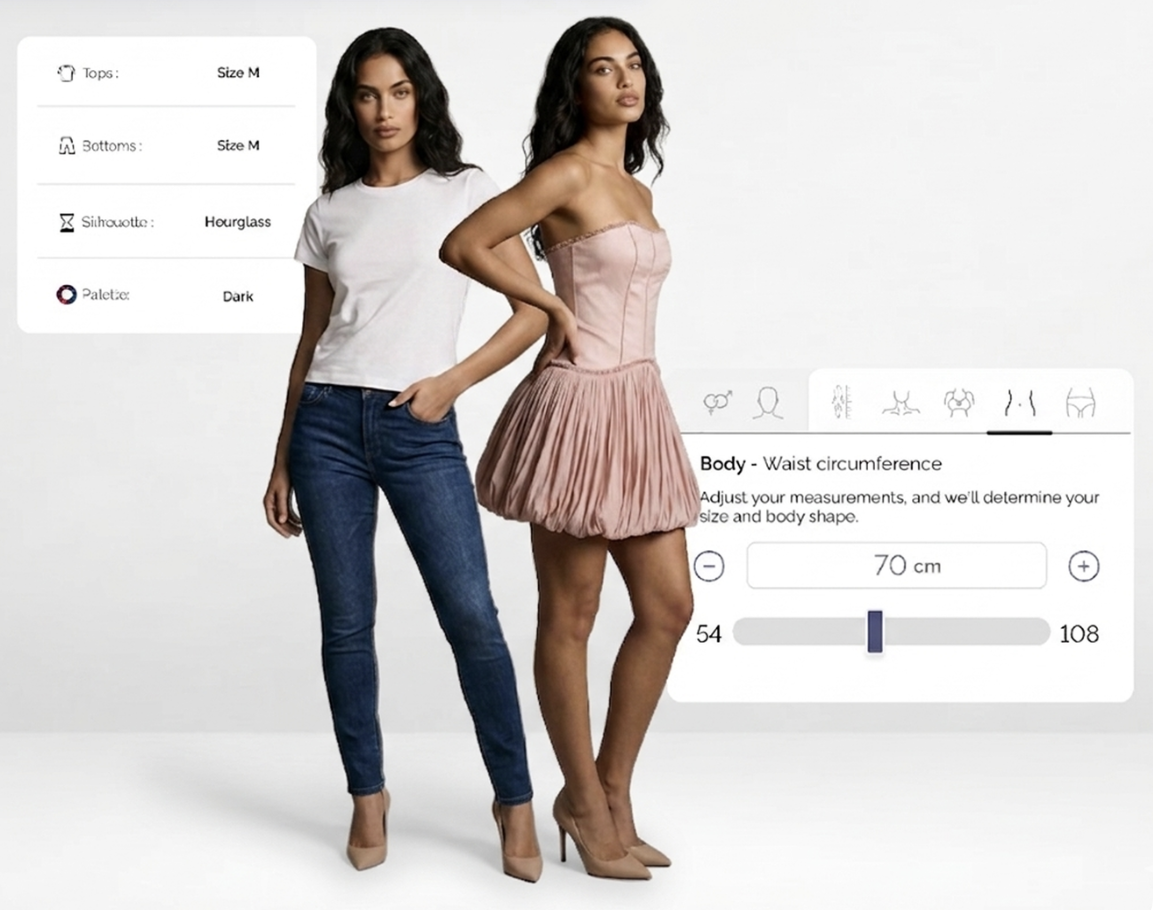
After launching last year, today the AI fashion startup is active in 12 markets, with one client brand achieving a 28% conversion rate, several times the usual number for the industry.
From a high school project to global expansion
Antonia Dumitriu’s story starts not in a boardroom, but in the world of high fashion. A stylist from the age of sixteen with editorials for Vogue Italy and experience with luxury designers like Jil Sander, she knew the industry's pain points intimately. The idea for Irisphera, an AI-powered personalisation platform, was born "during the pandemic, while I was still in high school and getting bored," she explains in an interview with The Recursive.
"As a stylist, I saw the same challenges over and over. The process of finding a client’s body shape, understanding their style, and then assisting with shopping was incredibly manual and time-consuming. I wanted to automate that painstaking process and make that level of personalised service accessible to everyone, not just high-fashion clients. Around 70% of online shoppers abandon a purchase because they are unsure about fit, size, or appearance." After winning a contest for young entrepreneurs, she brought investors on board, built a team, and, after four years of development, launched in September 2025.
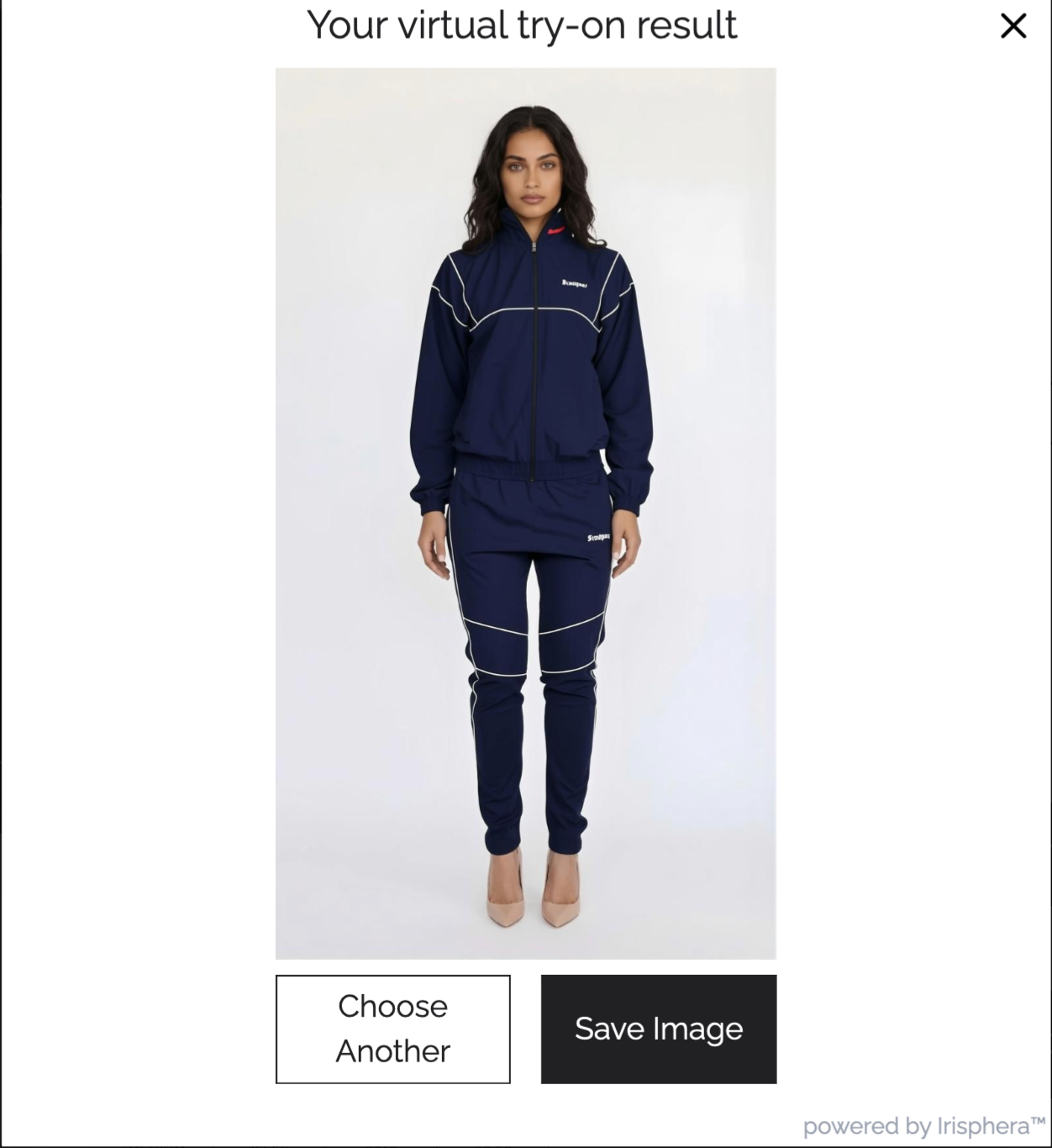
By August 2026, the company is already active across twelve markets. The Irisphera platform has processed more than 100,000 fashion products, completed over 50,000 virtual try-on sessions and generated more than 45,000 styling recommendations for shoppers.
One of its most impressive metrics is a recent 28% conversion rate achieved with an Asian partner. "When you look at e-commerce, the average conversion rate globally is somewhere between 0.7 to 5%, so achieving 28% with one of our partners is a significant milestone for us,"Dumitriu notes. "It’s not just a number; we are setting a new standard for what personalisation can achieve. It's the proof of how AI innovation, when applied correctly, can actually bring a tangible impact to businesses and customers around the whole world." The company's early traction has also led to a key partnership with Oracle, integrating its solution into their fashion enterprise ecosystem.
If they trust you, they are ready to move very quickly
While Irisphera's expansion has been global, its early and rapid success in the Middle East was almost accidental. The journey began when a colleague attended a conference in the region. "Our entry into the Middle East happened almost by chance. A colleague attended a conference in the region, and I went along with him. We discovered a very interesting market, and the response was immediate," Dumitriu recalls. "I received feedback from potential partners saying, ‘Look here, we have a huge demand for this kind of technology, especially for our in-store experiences.’ It was an immediate excitement because the need was so clear and pronounced."
Unlike the often lengthy sales processes in Europe, the GCC moved at a different pace. "The sales cycles were also very short compared to Europe, as an example," she says. "In Europe, you might go through months of discussions and pilots. In the GCC, we found that if they see the value and trust you, they are ready to move very quickly. There’s a real appetite to be a first-mover and adopt innovative solutions." This initial success, driven by a chance visit, quickly established the Gulf as a core market for Irisphera, which then served as a springboard to other regions.
Making customers feel like the centre of the world
So what makes the Gulf different? According to Dumitriu, it comes down to a culture that values relationships and a relentless focus on the customer. "In general, the GCC region is all about customer experience," she states. "Retailers there are focused on delivering a premium, almost bespoke service. Everything is related to making customers feel like the centre of the world, and that aligns perfectly with our mission to provide deep personalisation. They understood the value proposition immediately." This customer-centricity is paired with a population that is highly tech-savvy and innovation-oriented, with businesses eager to be the first to adopt new technologies.
However, cutting-edge technology alone isn't enough. The real lesson Dumitriu learned was the profound importance of a personal connection. "It's about relationships and in-person meetings. At first, I wondered why we needed to fly out for a meeting that could be a video call, but I quickly learned the culture. They really value you being there, shaking hands, and building a connection," she emphasizes. "It's really important for them to make sure that the human they're doing business with is an honest one they can trust. It’s B2B on paper, but in practice, it’s human to human, right? Once that foundation of trust is built, the possibilities are endless."
Localising for privacy is non-negotiable
Adapting to the GCC market required more than just building relationships; it meant fundamentally tailoring the product. A key concern, especially in countries like Saudi Arabia, is privacy. "We had to adapt the product, especially around privacy. In some markets, particularly Saudi Arabia, people are not very comfortable with sharing their photos online for this kind of analysis," Dumitriu explains. "We understood that this was a non-negotiable cultural and personal boundary we had to respect." In response, Irisphera introduced crucial privacy options, such as blurring users' faces.
Crucially, the company's core technology was built with this in mind. "What's very important from a technical standpoint is that our AI processes the image for analysis but we don't save or train our models on shoppers' images. The data is ephemeral," she highlights. "This is something unique to our platform and something that our partners in the Gulf really value. It showed we weren’t just paying lip service to privacy; it was built into the core of our technology."
The future of fashion is data-driven, personal, and sustainable
Looking ahead, Dumitriu sees AI not just as a tool for sales, but as an "intelligence layer" to solve fashion's biggest challenges. This includes increasing conversions and reducing returns, but also tackling the industry’s significant environmental footprint. "The future of fashion is driven by data," she says. "It's not just about selling more; it's about making smarter decisions at every level. For the consumer, it's very personal, ensuring they only buy what they truly love and will wear. For the industry, this data-driven approach helps reduce returns and overproduction, which also means it thinks about the planet, because the fashion industry is one of the most polluting ones." Return rates in fashion e-commerce commonly run between 25% and 40%. Irisphera reports more than 20,000 purchases through the platform with zero returns.
Her ultimate vision is a unified customer experience, where a shopper's profile and preferences move seamlessly across every channel, from online stores to physical malls, delivering a consistently premium and personal journey.
As Irisphera continues its global expansion from Europe to Asia, Africa, and the Americas, its early success in the Gulf offers a key insight. In a world increasingly dominated by algorithms and automation, Antonia Dumitriu’s journey suggests that one of the most valuable commodities is still human trust.


Member discussion