


When Wissam Younane launched Entrepreneur Middle East in 2014, startup funding in the region was limited and founding a company was still an unusual career choice. More than a decade later, he sees a generation of founders in the region building for international customers from day one.
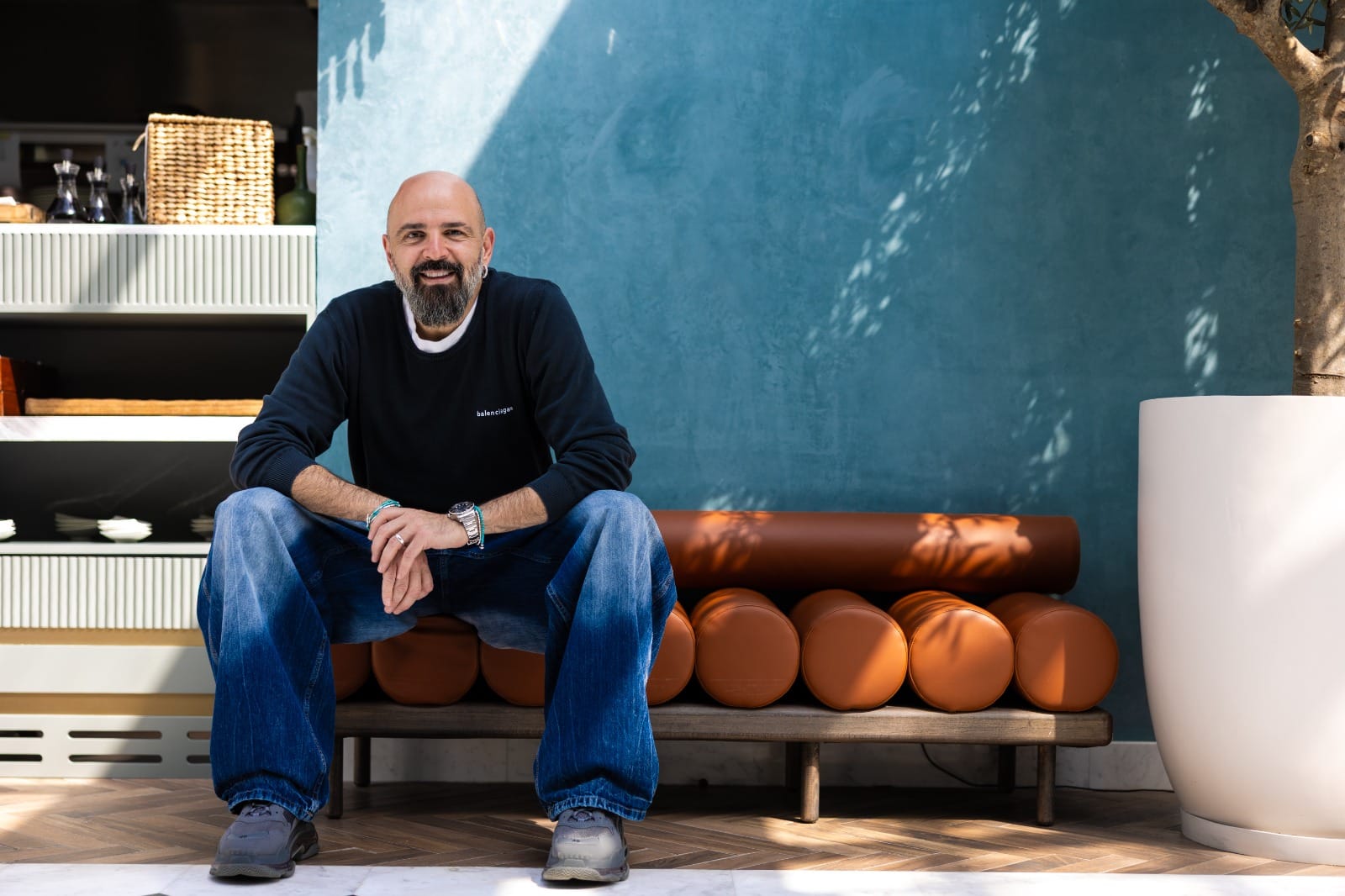
Younane has spent more than two decades building media brands. He is the CEO of BNC Media Group, whose portfolio also includes CBNME, Hotel & Catering News ME, and Design ME. Under his leadership, the group has brought together print, digital, broadcast, and live events, connecting business communities across the UAE, Saudi Arabia, and the UK. He also mentors founders and, as an angel investor, backs early-stage companies in technology, consumer innovation, and digital platforms.
Younane spoke with The Recursive about what has changed for founders in the UAE and Saudi Arabia, how a story can help them reach investors and customers, and what publishers can offer as readers turn to AI for information.
This interview was facilitated by The Recursive’s media partnership with PlanX, where Wissam Younane will speak at Grand Hyatt Dubai during the November 25–26, 2026 conference. Get 30% off conference tickets through The Recursive’s community offer.
How has entrepreneurship changed in the UAE and the wider MENA region since you launched Entrepreneur Middle East? What stands out about the next generation of founders?
When we launched Entrepreneur Middle East in 2014, the entrepreneurial landscape was fundamentally different from what we see today. There was no shortage of ambition or talent, but the ecosystem was still finding its feet. Access to funding was limited, the startup infrastructure was relatively immature, and entrepreneurship was not necessarily considered a conventional career path.
Fast-forward more than a decade, and the transformation has been extraordinary. The UAE has established itself as a global entrepreneurial hub, while Saudi Arabia has emerged as a major force in the regional startup landscape. We're seeing stronger institutional support, more sophisticated investors, better regulatory frameworks, and, perhaps most importantly, a cultural shift in how entrepreneurship is perceived.
What fascinates me most, however, is the next generation of entrepreneurs. They think globally from day one. They're not building businesses exclusively for their domestic markets; they're building solutions that can compete internationally. They're also much more comfortable with technology, particularly artificial intelligence, which is fundamentally changing the economics of starting and scaling a business.
I believe we're entering an era where a handful of talented individuals, equipped with the right AI tools, can build businesses that previously required hundreds of employees and significant capital.
But there's another trend that I find equally encouraging: a growing emphasis on sustainable businesses rather than simply chasing valuations. We've spent years celebrating fundraising rounds and unicorn status. I think the next decade should be about celebrating profitability, resilience, and long-term value creation.
The Middle East has evolved from a region that imported entrepreneurial success stories into one that increasingly exports them. And I believe we're only scratching the surface of what's possible.
How can business media shape a startup ecosystem, and what role do you want BNC Media Group to play in the Middle East?
I've always believed that media has a responsibility that goes far beyond reporting the news. At its best, business media is an enabler of opportunity. It gives entrepreneurs visibility, builds credibility, connects people, and ultimately helps shape the narrative of an entire ecosystem.
Over the past decade, we've had the privilege of featuring entrepreneurs at different stages of their journeys, from relatively unknown founders to some of the region's most influential business leaders. And I've seen firsthand how the right exposure, at the right time, can open doors to investors, partnerships, customers, and opportunities that might otherwise have been out of reach.
But I also believe that responsible business media has to do more than celebrate success. We need to challenge conventional thinking, ask difficult questions, and tell the stories of failure and resilience alongside those of extraordinary achievement. Otherwise, we risk creating an unrealistic picture of what entrepreneurship actually entails.
At BNC Media Group, our ambition is to take that influence a step further. We're evolving from a traditional publishing business into a broader media and business ecosystem that brings together content, events, technology, communities, and meaningful connections.
Our publications provide a platform for ideas and voices. Our conferences and awards bring decision-makers together. Our digital initiatives and emerging platforms are designed to create ongoing engagement and opportunities well beyond the pages of a magazine or the stage of an event.
I see our role increasingly as a bridge between entrepreneurs, investors, corporations, and governments, not just in the UAE, but across the wider Middle East and beyond.
And as we expand, I want BNC Media Group to be recognized not simply for the stories we publish, but for the opportunities we help create and the businesses we help elevate.
Media doesn't just document the success of an entrepreneurial ecosystem. When done properly, it becomes part of the infrastructure that helps that ecosystem succeed.
As AI makes content easier to produce and changes how people discover information, how do you see the future of business media?
I think we're witnessing one of the most significant transformations in the history of media, and I see it as an opportunity rather than a threat.
Artificial intelligence is fundamentally changing the economics of content creation and distribution. Content that once required substantial editorial resources, production teams, and considerable time can now be generated in seconds. And as AI increasingly becomes the interface through which people discover and consume information, the traditional relationship between publishers and audiences is going to change dramatically.
But I think there's an important distinction we need to make between content and credibility.
AI can generate information, but it cannot automatically generate trust. And in a world flooded with content, trust becomes the most valuable currency a media brand can possess.
I believe the future of business media will revolve around three things: credibility, access, and community.
Credibility comes from years of building a trusted brand and exercising sound editorial judgment. Access comes from the relationships you've developed with business leaders, entrepreneurs, and decision-makers. And community comes from your ability to bring those people together and create genuine value.
These are things that technology can enhance, but cannot simply replicate.
At the same time, I think media companies need to fundamentally rethink their business models. The days when success was measured primarily by circulation, page views, or advertising revenue are increasingly behind us. The future belongs to media organizations that can translate their influence into tangible business value through events, partnerships, communities, intelligence, and technology-driven services.
Through BNC Reach, the martech arm of BNC Media Group, we're embracing AI not just as a tool for content production, but as an opportunity to rethink how we operate, engage audiences, and develop entirely new products and experiences.
I also think the rise of AI-powered search and discovery will force publishers to become more distinctive. If your entire value proposition is producing information that can be easily summarized or replicated by an algorithm, you're going to struggle. But if you're producing original journalism, cultivating exclusive relationships, creating meaningful experiences, and building trusted communities, your value becomes even greater.
Ultimately, I don't believe the future of media is about producing more content. It's about creating more relevance, more trust, and more meaningful connections.
The media company of the future won't simply have an audience. It will have an ecosystem. And the real measure of its success won't be how many people consume its content, but how much value it creates for the people and businesses it serves.

Member discussion