


The escalating volume of online hate speech and disinformation has pushed social media moderation from an afterthought to a operational requirement. As stricter regulations like the European Union's Digital Services Act take effect, the demand for automated compliance and moderation tools is surging. Meanwhile, a significant consolidation is unfolding in the Central and Eastern European tech scene.
TrollWall AI, a Slovak company whose Moderation Agents automatically hide toxic comments on social media, has acquired its competitor Elv.ai. The deal is closed, and Elv.ai’s clients, media outlets and public institutions in Slovakia, the Czech Republic and other European countries, now run on the TrollWall AI platform. Financial terms were not disclosed.
Born from a shared crisis
Both TrollWall AI and elv.ai were founded in 2022, directly responding to the massive wave of toxic content and hoaxes that flooded social media following the Russian invasion of Ukraine.
TrollWall AI was founded by Tomáš Halász, Filip Strýčko, Tomáš Koctúr and Pavol Bujňák. Tomáš Halász, CEO of TrollWall AI, experienced the problem firsthand while managing social media for a vice president of the European Parliament. He found himself manually deleting thousands of hateful comments, prompting him to build an automated solution with his co-founders.
“Comment sections are where people form their views of brands and politicians today. Anyone who doesn’t keep them under control lets others decide their reputation. Our goal is for TrollWall AI to become the global leader in comment moderation. That is why we are expanding in Europe and the US, and the acquisition of Elv.ai is one step on that path,” adds Halász.
Meanwhile, elv.ai started as a volunteer-driven, non-profit project called Elfovia.sk within the New School Communications agency. The initiative aimed to manually protect the online discussions of media and public institutions in Slovakia and the Czech Republic. In 2023 the project spun off as a standalone startup, founded by Gabriel Tóth and Ľudovít Ďurman of New School Communications, Jakub Šuster, who became CEO, and investors Milan Dubec and CB ESPRI Impact One. CB ESPRI Impact One was also TrollWall AI’s first investor.
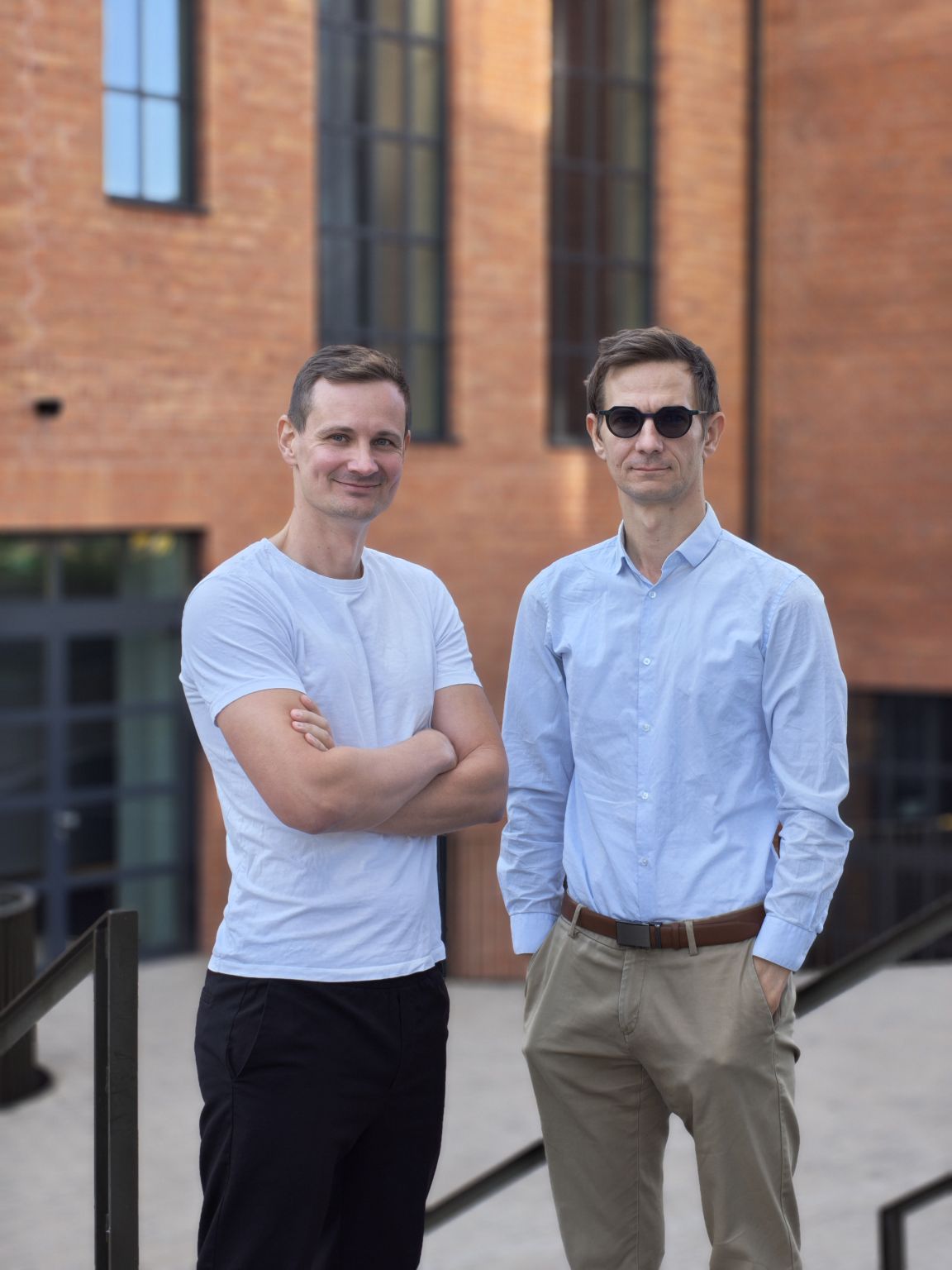
 Gabriel Tóth
Consolidating the market
For years, the two Slovak companies competed fiercely for the same clients, often facing off in pitch meetings and pricing wars. This intense rivalry forced both teams to build faster and refine their products for languages that global tech giants often overlook. "That is what fair competition looks like, and Europe needs a lot more of it," notes Alex Blaga, Head of Media & Political partnerships at TrollWall AI. Now, TrollWall AI has formally acquired elv.ai for an undisclosed sum, absorbing its competitor to lead the European market.
As part of the transition, elv.ai's extensive client base will migrate directly to the TrollWall AI platform. Before the deal, elv.ai had successfully processed over 80 million comments, providing a crucial shield for various public profiles. TrollWall AI brings advanced capabilities to these new users, including agentic community management and enterprise-grade security.
“The sale of Elv.ai continues the story of the elves project, which we launched at New School Communications after Russian troops invaded Ukraine. From the very start, we felt how important it is to keep social media clear of hate and disinformation. That makes me all the more pleased that TrollWall AI will carry this mission forward,” commented Gabriel Tóth, co-founder of Elv.ai and CEO of New School Communications.
The combined entity now boasts an impressive international footprint. TrollWall AI already serves clients across 16 countries in Europe, North America, and Australia. Their roster includes major political parties, heads of state, and prominent sports organisations like the International Ice Hockey Federation and AC Sparta Prague.
This acquisition highlights a maturing European AI sector that is increasingly focused on specialised, high-accuracy applications rather than just building massive foundational models. By joining forces, the team aims to establish a global standard for human-centred moderation technology. It remains to be seen how quickly they can scale this united front into other challenging language markets.


Member discussion